
Non-toxic rat control prioritizes exclusion, sanitation, and humane capture bed bugs spray. Inspect and seal gaps larger than 1/4 inch with metal mesh, cement, or flashing. Eliminate food and shelter by securing containers, removing fallen fruit, and enclosing compost. Use multi-catch live traps checked frequently and follow safe-handling protocols. Add deterrents like targeted plantings and predator scent cues, and rotate tactics to avoid habituation. Call an exclusion specialist for large or persistent infestations; further practical steps and specifics follow.
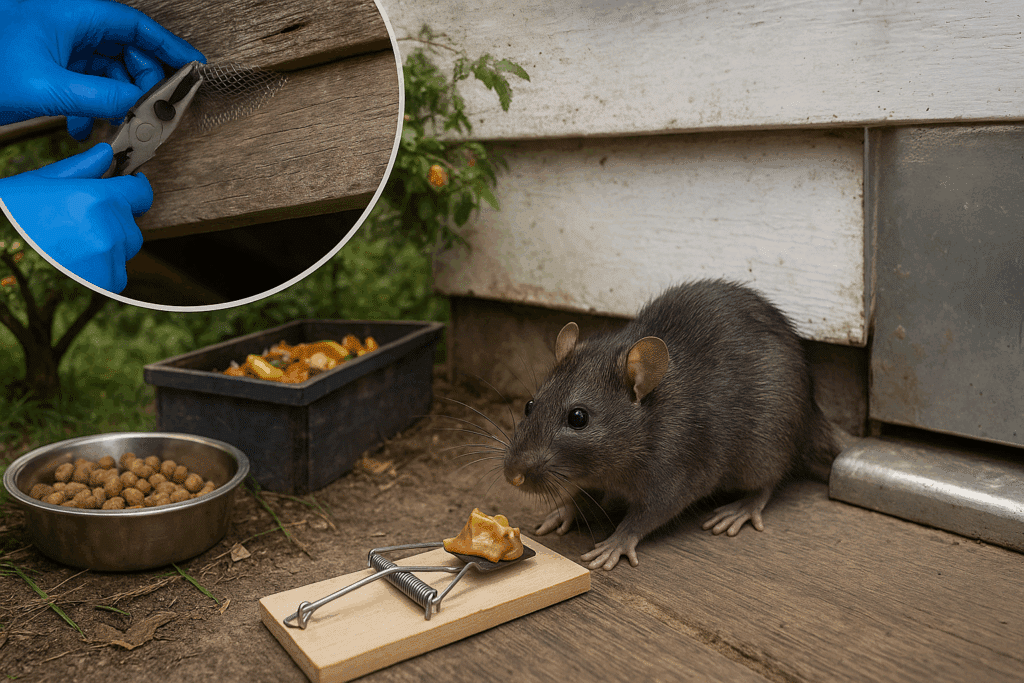
Understanding Why Avoiding Poison Matters
Why avoid poison? The choice reflects pragmatic concern for health risks and environmental impact. Practitioners recognize that anticoagulant and neurotoxic baits pose direct threats to household members, pets, and non-target wildlife through primary and secondary exposure. Beyond acute toxicity, sublethal effects disrupt local ecosystems, altering predator-prey dynamics and contaminating soil and water. Innovation-minded operators consequently prioritize methods that reduce collateral harm while delivering measurable results. Avoidance also mitigates regulatory and liability exposure for property managers and designers integrating pest control into sustainable projects. Decision-making centers on risk assessment igreenasia, monitoring, and scalable interventions that favor prevention and humane removal. This orientation positions non-toxic strategies as both ethical and effective components of contemporary integrated pest management.
Sealing Entry Points and Rodent-Proofing Your Home
In approaching rodent-proofing, a systematic inspection and sealing of all potential entry points is the foundational step to prevent infestations. The practitioner surveys foundations, eaves, vents, utility penetrations and rooflines, noting gaps larger than 1/4 inch. Durable materials—steel mesh, cementitious caulk, metal flashing—are applied precisely; soft fillers invite reentry. Pipe collars and tight conduit seals are installed around utilities; door sweeps and weatherstripping close thresholds. In attic spaces, attention to attic insulation edges and any displaced batts prevents rodents from exploiting voids while maintaining thermal performance. Vent caps and chimney screens are fitted to modern standards. Routine reassessment after storms or repairs preserves integrity. This proactive, technology-forward approach minimizes reliance on reactive measures, prioritizing long-term exclusion.
Sanitation and Habitat Modification to Deter Rats
Effective sanitation and habitat modification focus on removing what attracts rats and denying them access. All food sources should be secured in rodent-proof containers and waste managed promptly to eliminate easy feeding opportunities. Combined with previously described sealing of entry points, these steps greatly reduce the likelihood of infestation.

Eliminate Food Sources
Remove easy food sources and rats will move on; consistent sanitation and habitat modification are the foundation of any non-chemical control program. The strategy focuses on denying nourishment: secure garbage in sealed bins, promptly remove spills, and store containers off the ground and inside rodent-resistant cabinets. Landscaping choices reduce forage—keep fruit-picked, trim ground cover, and eliminate ivy or dense brush that hides food. Tidy outdoor pet feeding routines and avoid overnight feeding. Implement compost management with hot, enclosed systems or bokashi-style bins to prevent attraction. Regularly inspect sheds and garages for stored food, birdseed, or recyclables that become inadvertent meals. Monitor and adapt practices; consistent elimination of food reduces rat presence reliably and complements other exclusion and humane control measures.
Seal Entry Points
By systematically sealing gaps and weak points around a property, rats are prevented from exploiting access routes and infestations are contained before they start. A strategic audit identifies common breaches—garage doors, eaves, utility conduits, and foundation vents—and prioritizes repairs. Durable materials such as steel mesh, cement, and copper flashing close openings; weather stripping on doors and windows blocks smaller gaps without sacrificing operation. Foundation vents require screened covers fitted flush to prevent burrowing access while preserving airflow. Install tight-fit pipe collars and secure soffits; replace deteriorated wood and seal cracks with elastomeric caulk. Routine inspection cycles driven by data—seasonal checks and post-storm assessments—sustain integrity. The approach minimizes chemical reliance and leverages targeted, low-tech innovations to deny rats shelter effectively.
Humane Trapping and Live-Removal Methods
When dealing with rats without poison, humane trapping and live removal prioritize capture methods that minimize stress and injury while enabling relocation or release under local regulations. The approach favors proven devices such as multi-catch cages and modular live capture stations that allow frequent checks and minimal handling. Protocols emphasize rapid processing: calm transfer, secure containment, and documentation of capture location and health. Humane relocation is conducted only when legal, ecologically responsible, and paired with habitat modification to prevent return. Training in safe handling, zoonotic-risk precautions, and animal welfare standards is essential. Innovative workflows combine sensor-enabled traps, scheduled monitoring, and data logging to improve success rates while maintaining transparency and adherence to municipal wildlife rules.
Natural Repellents and Deterrents That Work
Frequently, property managers and homeowners find success using natural repellents and deterrents as part of an integrated rat-control plan. Practical options include habitat modification, sealing entry points, and removing food and water sources to make sites unattractive. Strategic plantings (mint, rosemary) and concentrated predator scents applied around perimeters create aversive cues without toxins. Ultrasonic devices can supplement measures; field tests show mixed efficacy, so they are best used as part of a layered approach rather than a standalone solution. Regular rotation of scent locations and visual barriers prevents habituation. Monitoring and rapid adjustment based on observed rat behavior optimize outcomes. The emphasis remains on preventive design, minimal environmental impact, and iterative, data-driven deployment of natural repellents and deterrents.
When to Call a Professional Exclusion Specialist
If DIY measures fail to reduce activity or signs of rats persist despite sustained effort, property owners should engage a professional exclusion specialist. A specialist assesses structural vulnerabilities, designs targeted exclusion plans, and implements seals using durable materials. Licensed professionals bring documented expertise, compliance with local codes, and can coordinate with building contractors for integrated repairs. Call when infestations recur, entry points are extensive, or when occupants are vulnerable. Request clear scopes, timelines, and long term warranties on workmanship and materials. Confirm availability of emergency services for sudden surges or health risks. Choose firms experienced in humane methods and broader wildlife conflicts to avoid unintended ecological harm. Properly selected specialists deliver reliable, innovative exclusion solutions that prioritize safety and permanence.
Conclusion
Avoiding poison protects people, pets and wildlife while encouraging long-term, humane control. Effective rat management relies on rodent-proofing structures, removing food and shelter, and using humane live traps or exclusion devices when necessary. Natural repellents can complement these measures but work best as part of an integrated approach. For persistent or large infestations, a trained exclusion specialist guarantees safe, legal removal and lasting prevention. Prioritize prevention and professional help for reliable results.