
Dog treats are more than just snacks for our furry companions; they serve as powerful tools in canine training and behavior modification. The market is flooded with a plethora of options, but how do we discern what truly benefits our pets? From understanding ingredient lists to navigating through specialized treats for different occasions https://nourish.petuniverse.com/, the world of dog treats is vast and sometimes overwhelming. Let’s explore the nuances of this seemingly simple topic and uncover the secrets behind choosing the perfect treat to enhance our bond with man’s best friend.
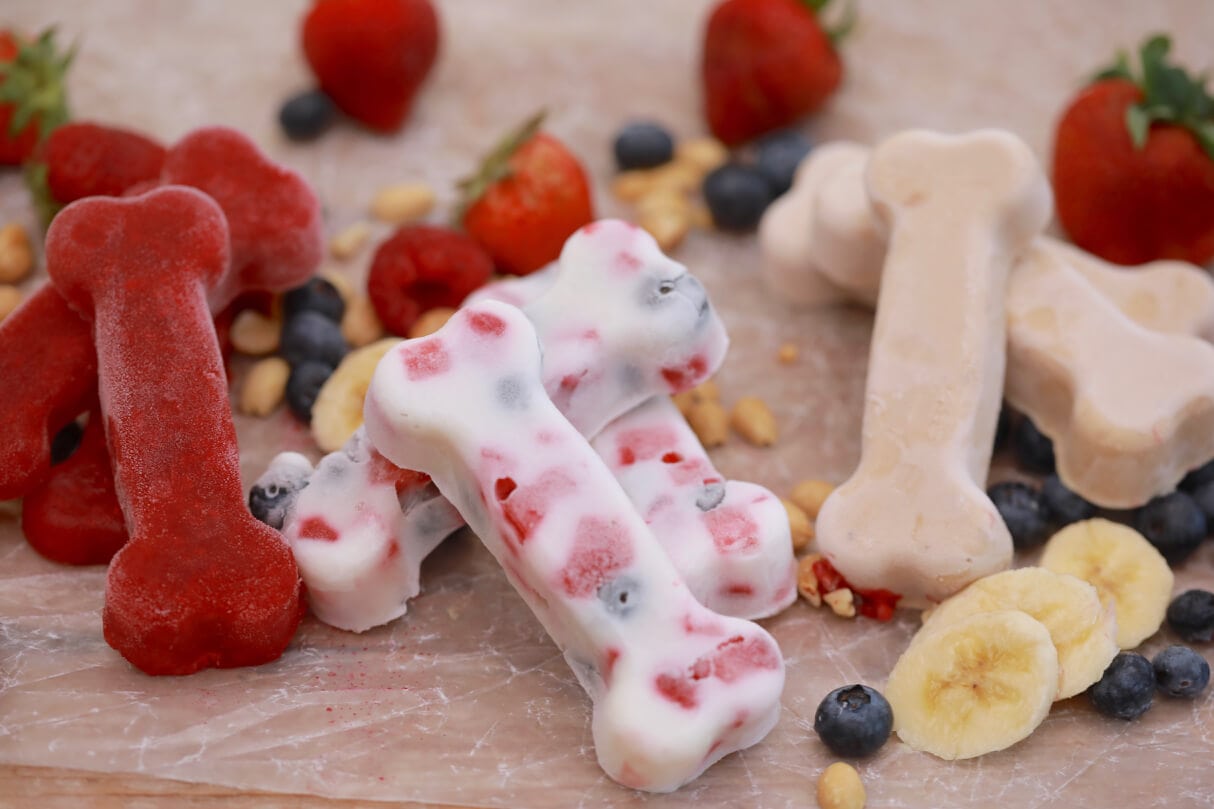
Benefits of Dog Treats
Dog treats can provide a range of benefits for your furry companion, from training rewards to dental health maintenance. These tasty incentives play a crucial role in reinforcing positive behavior during training sessions. By using treats as rewards, you can effectively communicate with your dog and encourage desired actions. Additionally, dog treats can be a useful tool in managing your pet’s weight. By selecting low-calorie treats and using them in moderation, you can help prevent overfeeding while still providing a delicious snack.
Moreover, certain dog treats are specifically designed to promote dental health. Chewing on crunchy treats can help reduce plaque and tartar buildup, contributing to fresher breath and healthier gums. Regularly offering dental treats can be a simple yet effective way to complement your dog’s oral hygiene routine.
Types of Dog Treats
Within the realm of canine snacks, a diverse array of treat options exists to cater to various preferences and dietary needs. One common type of dog treat is biscuits, which come in a variety of flavors and textures, providing a crunchy snack that can help promote dental health by reducing plaque buildup.
Soft treats are another popular option, often made with ingredients like meat, fruits, and vegetables, appealing to dogs with sensitive teeth or those who prefer a chewy texture. Dental chews are designed to not only satisfy a dog’s urge to chew but also to improve oral hygiene by reducing tartar and freshening breath.
Freeze-dried treats offer a convenient and nutritious option, preserving the natural flavors and nutrients of the ingredients. Additionally, there are specialty treats formulated for specific dietary requirements, such as grain-free, hypoallergenic, or weight management treats, ensuring that all dogs can enjoy a tasty reward while meeting their individual nutritional needs.
Choosing the Right Treats
When selecting treats for your canine companion, what key factors should be considered to ensure their health and enjoyment?
The first consideration should be the ingredients. Opt for treats made with high-quality, natural ingredients, avoiding artificial additives, preservatives, and fillers. Look for treats that contain real meat, vegetables, and fruits, as these provide essential nutrients for your dog’s well-being. Additionally, consider your dog’s dietary needs and any allergies they may have. Choose treats that are suitable for their age, size, and health status.
Another important factor to consider is the treat’s texture and size. Treats should be easy to chew and digest, especially for puppies, senior dogs, or those with dental issues. The size of the treat should be appropriate for your dog’s breed and size to prevent choking hazards.
Lastly, consider the treat’s taste and aroma. Dogs have different preferences, so observe your pet’s reactions to different flavors to determine their favorites. Ensuring that the treats are appealing to your dog will enhance their enjoyment and make training sessions more effective.
Homemade Dog Treat Recipes
To explore a holistic approach to providing nutritious and satisfying treats for your canine companion, homemade dog treat recipes offer a personalized and wholesome alternative. Making treats at home allows you to control the ingredients, ensuring that your furry friend is getting a healthy snack free from artificial additives or preservatives.
One popular recipe is peanut butter and banana treats. Simply mix mashed bananas with peanut butter, spread the mixture onto a baking sheet, cut it into small pieces, and bake until firm. Another favorite is sweet potato chews, where thinly sliced sweet potatoes are baked until crispy. For pups with allergies, a grain-free option like coconut and turmeric biscuits can be a hit.
Training With Treats
Engaging in training sessions with treats can be an effective method to reinforce desired behaviors in dogs. Treats serve as positive reinforcement, encouraging dogs to repeat behaviors that result in a reward. When using treats for training, it is important to select treats that are appealing to your dog and easy to consume quickly, so as not to disrupt the flow of the training session.
During training, treats should be given immediately after the desired behavior is exhibited to clearly communicate to the dog what they are being rewarded for. Consistency is key in training with treats; rewards should be given every time the desired behavior is performed until it becomes a habit for the dog. As the behavior becomes more ingrained, treats can be gradually phased out and replaced with other forms of reinforcement such as praise or toys.

Understanding Treat Ingredients
The composition of ingredients in dog treats plays a crucial role in understanding their nutritional value and impact on your pet’s health. When selecting dog treats, it is essential to carefully examine the ingredients list. Look for high-quality protein sources such as chicken, beef, or fish. These proteins are vital for muscle development and overall health in dogs. Additionally, whole grains like brown rice or oats can provide healthy carbohydrates for energy.
Avoid treats containing excessive amounts of fillers, artificial flavors, and preservatives. These additives may offer little to no nutritional benefit and could potentially harm your dog’s health in the long run. Ingredients like corn syrup, propylene glycol, and artificial colors should be avoided whenever possible.
Furthermore, consider the calorie content of the treats, especially if you are using them frequently for training or as rewards. High-calorie treats can contribute to weight gain and other health issues if not given in moderation. By understanding and selecting treats with wholesome ingredients, you can ensure that your furry companion receives the best nutritional support for a healthy and happy life.
Healthy Dog Treat Options
When it comes to selecting treats for your furry companion, it’s essential to consider nutritious options that can contribute to their overall well-being. Nutritious treat choices can include those that are rich in essential nutrients like protein, vitamins, and minerals.
Additionally, homemade dog snacks can be a great way to ensure that your pet is getting high-quality ingredients without any unnecessary additives or preservatives.
Nutritious Treat Choices
A variety of nutrient-rich dog treats are available to ensure your pet receives healthy snack options. Opt for treats that contain high-quality ingredients such as lean proteins like chicken, turkey, or fish, which provide essential amino acids for muscle health.
Look for treats with added fruits and vegetables like sweet potatoes, blueberries, or carrots to provide vitamins, minerals, and antioxidants. Treats with whole grains such as oats or brown rice can offer fiber for digestive health.
Avoid treats with artificial additives, excessive salt, or unhealthy fillers. Always check the treat packaging for information on the ingredients and nutritional value to make the best choice for your furry friend’s health and well-being.
Homemade Dog Snacks
To further enhance your pet’s diet with nutritious options, consider exploring homemade dog snacks as healthy alternatives to store-bought treats. Homemade dog snacks offer the freedom to control the ingredients, ensuring that your furry friend receives only high-quality, wholesome nutrients.
By making your own dog treats, you can avoid additives, preservatives, and fillers commonly found in commercial products. Popular ingredients for homemade dog snacks include peanut butter, pumpkin, sweet potatoes, and carrots, all of which provide essential vitamins and minerals for your dog’s well-being.
Additionally, homemade treats can cater to specific dietary needs, such as grain-free or hypoallergenic options, making them suitable for dogs with sensitivities. Experimenting with homemade dog snacks can be a fun and rewarding way to prioritize your pet’s health.
Treats for Special Occasions
When celebrating special occasions with your furry friend, consider holiday-themed dog treats or homemade celebration goodies to add an extra touch of festivity.
Tailoring treats to match the holiday spirit or crafting homemade goodies allows for a personalized touch that can make the occasion even more special for your pet.
Whether it’s a birthday, seasonal festivity, or just a day of pampering, special treats can enhance the celebration for your beloved dog.
Holiday-Themed Dog Treats
Crafting festive dog treats for special occasions requires attention to detail and creativity in the kitchen. When preparing holiday-themed treats for your furry friend, consider using safe ingredients like pumpkin, turkey, or cranberries. These seasonal flavors can add a special touch to your dog’s snacking experience.
For Christmas, try making paw-shaped biscuits decorated with yogurt icing or gingerbread cookies shaped like bones. During Halloween, opt for spooky treats using natural food coloring to create fun shapes like ghosts or pumpkins. Remember to avoid harmful ingredients like chocolate, raisins, or xylitol.
Homemade Celebration Goodies
Celebratory occasions call for homemade treats that can delight your canine companion with flavorful and safe ingredients. When preparing homemade celebration goodies for your dog, consider using ingredients like peanut butter, pumpkin, and unsweetened applesauce to create tasty and healthy treats.
These ingredients are not only safe for dogs but also offer nutritional benefits. You can get creative by shaping the treats into fun shapes like bones or hearts using cookie cutters. Additionally, incorporating ingredients such as oats or carrots can add texture and flavor variety to the treats.
Remember to avoid using harmful additives like chocolate, xylitol, or excessive salt. Homemade celebration goodies are a thoughtful way to show your furry friend some extra love on special occasions.
Conclusion
In conclusion, dog treats serve as valuable tools for reinforcing positive behavior, training, and communication with dogs.
Understanding the types of treats, choosing the right ones based on ingredients and dietary needs, and considering homemade options can contribute to a healthy and effective treat regimen.
By incorporating treats into training sessions and special occasions, pet owners can enhance their bond with their furry companions while promoting overall well-being.